Reducing Paper Waste and Promoting Sustainability with Digital Document Management
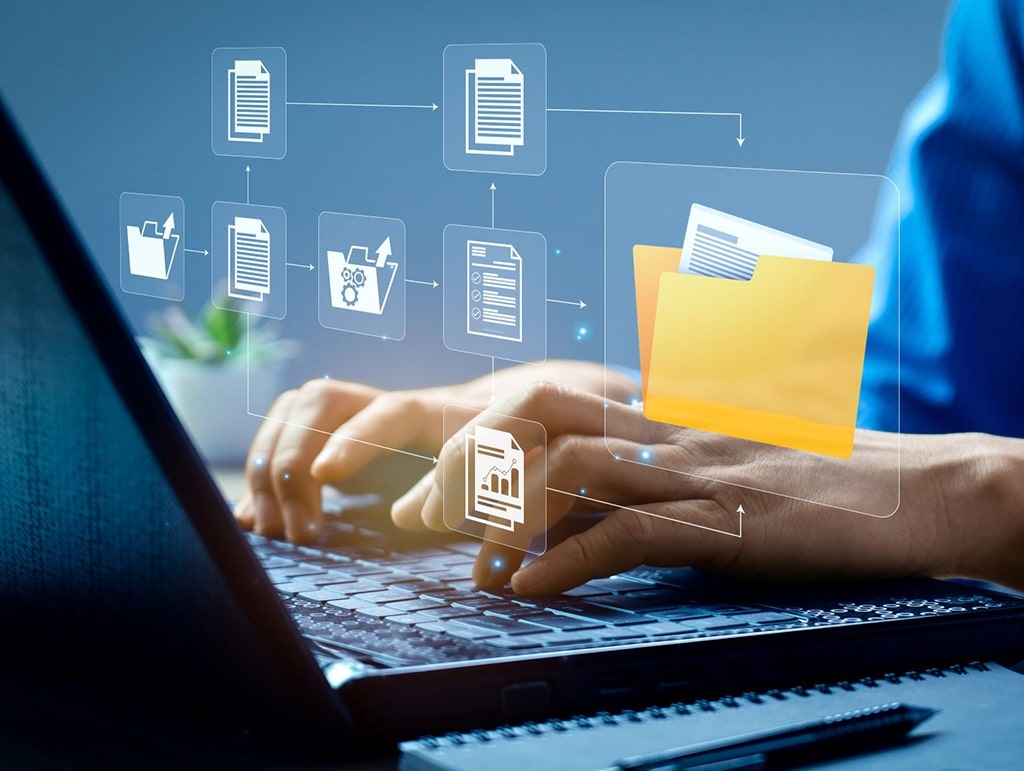
Digital Document Management is essential in today’s era as more and more companies are moving towards reducing waste and promoting sustainability. The document management solutions transition from the traditional, conventional approach to moving towards digital support for document management. As the competitive push of companies has moved towards creating an environment that is safe from CO2 emissions and energy waste, due to the vast amount of resources used. Therefore, companies are making an extra effort to move towards the sustainable use of resources, as it helps in making an impactful approach with digital document management.
What is Digital Documentation Management
The process of digitizing, organizing, storing, and controlling documents is essential. It is used to collect, organize, and store data. It has become a vital tool for organizations with the large amount of information readily available. A digital documentation management system (DMS) eliminates the need for physical storage, reducing the reliance on ink and paper. Moreover, this eliminates the risk of delays, ensuring that the documents can be shared instantaneously.
What To Do to Reduce Paper Waste
First, assess your current needs for the paper and accordingly make changes, as not all documents can be digitized, so it’s better to reduce the paper needs slowly. As many businesses overlook paper tracking, it can help in gauging the current landscape of the paper needs, with the high-volume storage allowing for cloud storage needs.
Analysis of the workflow processes will help in better understanding the paper-dependent tasks, as it can provide insights into what unnecessary printing jobs the businesses can do without. Through the processes, businesses gain a better understanding of the workflow processes.
Improving Productivity With Digital Documentation Management
One of the most important advantages of digital documentation management is that it improves productivity through automated document routing, workflows, and access to information for employees. This ensures that productivity is increased at all levels and employees are not frustrated with the processes. However, the ability to manage the business processes in real time empowers individuals to make informed decisions.
Create A Paper Conscious Culture Environment
It is important that individuals in the company are aware of the procedures, as this can help in reducing waste and improving sustainability. The embedding of such an environment is essential for companies to promote a sustainable and eco-friendly culture. This can improve long-term sustainability and operational efficiency as well. Document dematerialization is a useful approach for reducing waste. It involves the elimination of the use of paper through digital documentation.
Embracing the Paperless Environment
The shift from a paper environment to a paperless environment is powered by software. This ensures seamless storage, retrieval, and information management. This extends beyond the environmental impact, offering improvements in sustainability. This showcases the need for improving the initiatives at all levels. The digital transformation is bound by improving the workflows at all levels through encouraging such initiatives, as companies are now going paperless.
The Benefits of a Document Management System
Reduced Storage Cost: As documents are centrally stored, it results in a reduction of storage in terms of physical assets. Managing large storage volumes of data becomes easier with document management systems.
Improved Collaboration: Through document management solutions, collaboration is improved at all levels, whether it is client, shareholder, or employee within the organization. This ensures that the productivity is boosted at all levels without the need, leading to faster communication, ensuring that the waste is minimal.
Disaster Recovery: The disaster recovery of documents is supported through the digital document management systems, in case of any lost file, whether in paper form or paperless form. Version control lets you access the earlier forms possible as well. From a business point of view, disaster recovery means lower downtime and ultimately saving the company the costs that are incurred through the loss of valuable data.
Easier Document Access: The data files are easily accessible with the management systems due to the document management solutions, as they help in gaining access through file retrieval, such as advanced search, typing keywords, or filtering categories, and ensuring smart access to employees quickly and efficiently, boosting productivity at all levels.
Transitioning To A Paperless Environment
It is evident that the process is not about just transitioning to a paperless environment, but rather it is about making a change. The digital transformation is all about improving efficiency, boosting productivity, and ensuring sustainability. With the organizations shifting towards e-digitalizing, there is a need to train and empower employees towards new initiatives, a strategic decision that can lead to better and improved digital growth. This helps the business support a culture of sustainability that can improve productivity as document management solutions play a key part in boosting the capabilities of the organization.